Lesson 1: Azure FinOps & Sustainability Essentials
Objective: Understand how FinOps, cost governance, and sustainability practices are integrated into Azure and aligned with business goals.
-
Introduction to FinOps in Azure
-
What is FinOps? Core principles in a Microsoft context
-
Key personas: Finance, Engineering, and Product collaboration
-
Azure’s CAF (Cloud Adoption Framework) and FinOps alignment
-
Sustainability in Azure
-
Microsoft’s commitment to carbon negativity and renewable energy
-
Using the Microsoft Sustainability Calculator
-
Aligning with Azure’s Sustainability Guidance and WAF
-
Setting up Azure Cost Management + Billing
-
Establishing chargebacks/showbacks and accountability
-
Azure Policy for enforcing governance and tagging
-
Evaluating trade-offs in design decisions
-
Aligning technical decisions with business priorities
-
Creating a culture of cloud financial accountability
-
Cost Governance & Visibility
-
Balancing Cost, Performance & Sustainability
Lesson 2: Mastering Azure Billing, Tagging & Management Groups
Objective: Use Azure-native tools for billing, budgeting, tagging, and hierarchical cost control across subscriptions.
-
Understanding Azure Pricing & Billing Models
-
Azure Pay-as-you-go, Reservations, and Spot VM pricing
-
Analyzing Azure invoices, EA/MCUA usage, and billing scope
-
Azure Pricing Calculator & TCO Estimator
-
Cost Visibility & Forecasting
-
Navigating Azure Cost Analysis
-
Budgeting and alerting with Azure Budgets
-
Forecasting spend across departments or projects
-
Importance of resource tagging for cost tracking
-
Azure Tagging best practices and enforcement via Azure Policy
-
Using Cost Allocation Rules and management groups
-
Structuring Azure Management Groups for cost and policy control
-
Consolidated billing via Microsoft Customer Agreement (MCA)
-
RBAC and scopes of cost visibility
-
Tagging & Cost Allocation Strategies
-
Subscription & Management Group Optimisation
Lesson 3: Optimising Azure Compute & Autoscaling for Cost Efficiency
Objective: Minimise waste and overprovisioning by right-sizing compute workloads and leveraging automation.
-
Right-Sizing Azure Compute Resources
-
Identifying underused VMs with Advisor & Metrics
-
Selecting optimal VM series (D, B, E, F, etc.)
-
Leverage Azure Migrate for workload assessments
-
Virtual Machine Cost Optimisation
-
Azure Spot VMs vs. Reserved vs. Pay-as-you-go
-
Use of Virtual Machine Scale Sets (VMSS)
-
Evaluating Azure Reservations for predictable workloads
-
Azure Container Instances vs. AKS
-
Cost trade-offs between Azure Functions and AKS
-
Reducing function execution time and concurrency limits
-
Configuring autoscaling for performance and cost
-
App Service autoscale rules
-
Using Azure Automation for off-hours scale-downs
-
Container & Serverless Efficiency
-
Scaling Best Practices
Lesson 4: Cost & Sustainability Optimisation for Azure Storage & Databases
Objective: Reduce costs and environmental impact across Azure Storage, SQL, Cosmos DB, and Synapse.
-
Azure Storage Cost Optimisation
-
Blob storage tiers (Hot, Cool, Archive)
-
Lifecycle management and automatic tiering
-
Cost-effective replication (LRS, ZRS, GRS)
-
Disk & Snapshot Management
-
Azure Disk types (Standard HDD/SSD vs. Premium SSD)
-
Snapshot management and orphaned disk cleanup
-
Azure Storage Explorer for audit and management
-
Comparing Azure SQL vs. SQL Managed Instance vs. PostgreSQL
-
Cosmos DB: Provisioned vs. serverless throughput
-
Optimising Synapse workloads with workload management
-
Data lifecycle policies and archival strategies
-
Avoiding unnecessary data duplication
-
Azure Purview for data governance and cleanup
-
Database Efficiency
-
Data Sustainability Best Practices
Lesson 5: Reducing Azure Networking & Data Transfer Costs
Objective: Optimise data egress, routing, and network resources to reduce unnecessary spend.
-
Understanding Azure Data Transfer Pricing
-
VNet peering, inter-region, and internet egress costs
-
Using Cost Analysis for network insights
-
Identifying costly architecture patterns
-
Minimising Unnecessary Transfers
-
Using Private Link and ExpressRoute
-
Optimising use of Azure CDN & Front Door
-
Best practices for hybrid cloud connectivity
-
Right-sizing Azure Firewall, NAT Gateway, and Load Balancers
-
DNS cost control via Azure DNS
-
Traffic routing efficiency using Azure Traffic Manager
-
Network Resource Optimisation
Lesson 6: Maximising Savings with Reservations, Hybrid Benefits & Serverless
Objective: Leverage Azure Reservations, Hybrid Benefits, and serverless platforms for predictable cost savings.
-
Understanding Azure Commitment Options
-
Reservations for VMs, SQL, App Services, and Synapse
-
Azure Hybrid Benefit (for Windows & SQL licenses)
-
Exchange and cancel strategies for flexibility
-
Maximising Reservations
-
Managing unused reserved capacity
-
Azure Advisor recommendations for reservations
-
Monitoring via Cost Management APIs
-
Optimising workloads with Azure Functions and Durable Functions
-
Event-driven designs using Event Grid & Service Bus
-
Cost controls for Logic Apps and App Services
-
Alerts for unused or underused reservations
-
Budgeting tools and Advisor integration
-
Using ARM templates and Bicep for standardised deployments
-
Serverless Savings Strategies
-
Automation for Commitment Management
Lesson 7: Automating Cost & Sustainability Optimisation in Azure
Objective: Enable continuous cost and sustainability improvements using Azure-native automation and AI tools.
-
Azure Advisor & Recommendations
-
Automating cost and performance recommendations
-
Integrating Advisor with Azure Monitor alerts
-
Custom workflows with Logic Apps or Azure Functions
-
Monitoring & Reporting Sustainability
-
Using the Microsoft Sustainability Calculator
-
Carbon accounting dashboards in Azure
-
Strategies for reducing compute and storage energy usage
-
Azure Automation Runbooks for cost cleanup
-
Leveraging Cost Management APIs for proactive optimisation
-
Scheduled scale-downs and shutdowns
-
Using Cost Anomaly Alerts
-
Azure Monitor Workbooks for spend insights
-
Implementing AI/ML pipelines for predictive optimisation
-
Automation for Cost Management
-
AI and Anomaly Detection
Exams and assessments
There is no specific exam or certification associated with this course.
Hands-on learning
This course includes practical labs.
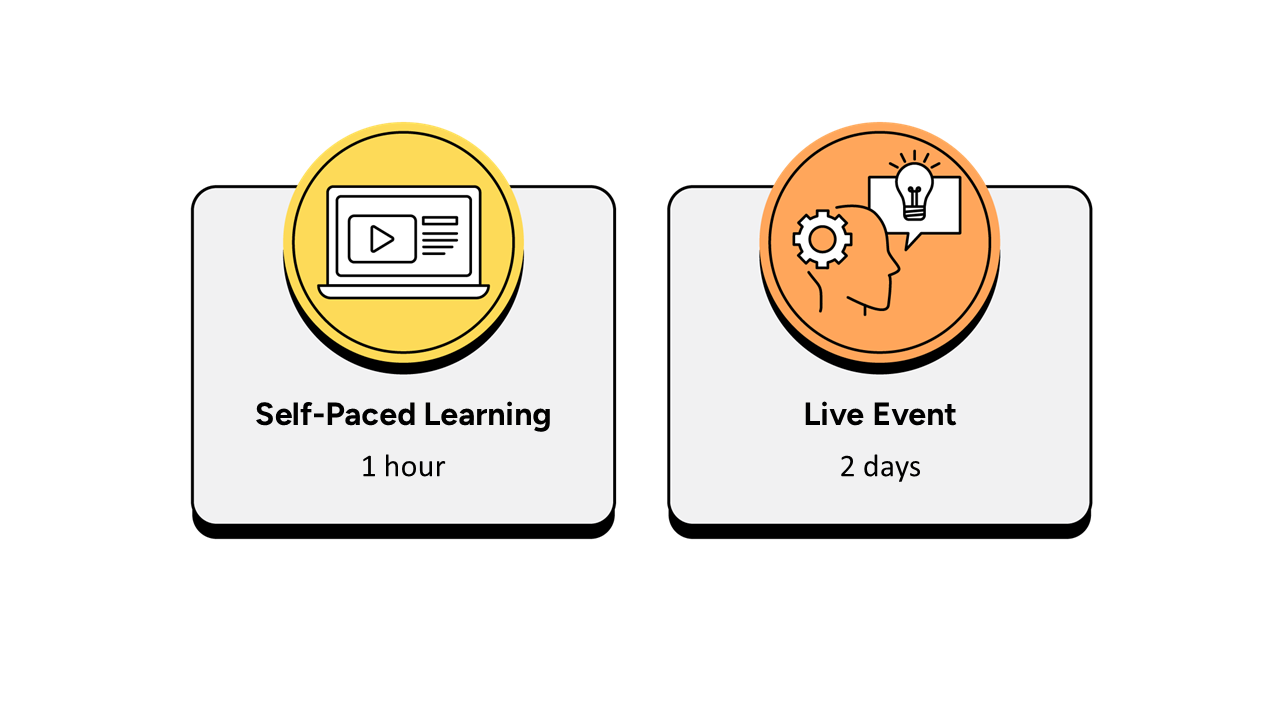
Self-paced learning
-
Up to 1 hour, completed over a 2-week period prior to the live event.
-
It is recommended that the self-paced learning is completed prior to joining the live event.
-
It is recommended that learners have a minimum of 2 weeks between the course booking and the instructor-led live event to complete the necessary hours of learning.
-
The self-paced learning is available 2 weeks prior to the live event and for 12 months following the live event.
Instructor-led live event
-
This course has a 2-day live event.