Module 1: AWS FinOps & Sustainability Essentials
Introduction to FinOps in AWS
-
What is FinOps? Core principles and framework
-
Key FinOps personas: Finance, Engineering, and Product teams
-
The role of cloud architects and engineers in FinOps
AWS Sustainability & Environmental Impact
-
AWS Sustainability Pillar in the Well-Architected Framework
-
Measuring carbon footprint in the cloud
-
AWS's commitment to 100% renewable energy and Net Zero
Cost Visibility & Governance
-
Establishing cost accountability within teams
-
The importance of cost allocation and chargebacks
-
Policies and guardrails for cloud cost control
Balancing Cost, Performance & Sustainability
-
Trade-offs between cost, sustainability, and performance
-
Aligning technical decisions with business objectives
-
Establishing a cost-conscious and sustainable cloud culture
Module 2: Mastering AWS Billing, Tagging & Multi-Account Optimisation
Understanding AWS Billing & Pricing
-
AWS pricing models (On-Demand, Spot, RIs, Savings Plans)
-
Decoding AWS invoices and billing reports
-
Common billing pitfalls and how to avoid them
-
Using the AWS Pricing Calculator to better understand cost of services
AWS Cost Visibility & Forecasting
-
Navigating AWS Cost Explorer for cost insights
-
Setting up AWS Budgets & Alerts
-
Forecasting future AWS spend effectively
Tagging & Cost Allocation Strategies
-
Importance of cost allocation tags
-
Best practices for AWS resource tagging
-
Enforcing tagging policies at scale
Multi-Account Management & Optimisation
-
Benefits of AWS Organizations & consolidated billing
-
Service Control Policies (SCPs) for cost governance
-
Using AWS Control Tower for multi-account management
Module 3: Optimising AWS Compute & Autoscaling for Cost Efficiency
Right-Sizing Compute Resources
-
Identifying underutilized EC2 instances
-
Selecting the right instance families (Graviton, Intel, AMD)
-
Leveraging AWS Compute Optimizer for recommendations
EC2 Cost Optimisation Techniques
-
Spot Instances vs. On-Demand vs. Reserved Instances
-
Optimising Auto Scaling Groups (ASG)
-
EC2 Savings Plans vs. Reserved Instances
Container & Serverless Cost Savings
-
AWS Fargate vs. EC2 for cost savings
-
Kubernetes (EKS) vs. Serverless (Lambda) cost trade-offs
-
Managing cold starts and execution time in Lambda
Scaling Efficiently with AWS Autoscaling
-
Best practices for predictive and dynamic scaling
-
Optimising instance warm-up and cooldown settings
-
Using Karpenter for Kubernetes autoscaling
Module 4: Cost & Sustainability Optimisation for Storage & Databases
Optimising AWS S3 Storage Costs
-
Storage classes (Standard, IA, One Zone, Glacier, Deep Archive)
-
Lifecycle policies & intelligent tiering
-
S3 request and data transfer cost optimisation
EBS & Instance Storage Efficiency
-
Choosing between EBS GP3, GP2, IO2, and ST1
-
Managing EBS snapshots efficiently
-
Identifying and removing orphaned volumes
Database Cost Optimisation Strategies
-
RDS vs. Aurora: Cost comparisons and tuning strategies
-
DynamoDB on-demand vs. provisioned capacity
-
Optimising Redshift clusters and concurrency scaling
Sustainable Data Management Practices
-
Data minimisation strategies to reduce storage footprint
-
Reducing redundant data copies and backups
-
Leveraging AWS Glue & Athena for cost-efficient queries
Module 5: Reducing AWS Networking & Data Transfer Costs
Understanding AWS Data Transfer Costs
-
Intra-region, inter-region, and internet egress pricing
-
How to identify costly data transfer patterns
-
Using AWS Cost & Usage Reports (CUR) for network insights
Reducing Unnecessary Data Transfers
-
Best practices for VPC peering, Transit Gateway, and PrivateLink
-
Using CloudFront and Global Accelerator for optimized routing
-
Leveraging AWS Direct Connect and VPN for hybrid architectures
Networking Optimisation for Cost & Performance
-
Right-sizing NAT Gateways & optimising Data Transfer Gateway costs
-
Optimising ALB, NLB, and Gateway Load Balancer usage
-
DNS cost efficiency using Route 53 latency-based routing
Module 6: Maximising Savings with RIs, Savings Plans & Serverless
AWS Cost Commitment Models
-
Differences between Reserved Instances and Savings Plans
-
Compute vs. EC2 Instance Savings Plans
-
Convertible vs. Standard RIs: Which one to choose?
Maximising Savings Plan Benefits
-
Best practices for purchasing & managing Savings Plans
-
Leveraging AWS Cost Anomaly Detection for unused commitments
-
Strategies to balance flexibility & cost efficiency
Serverless Architecture for Cost Reduction
-
Reducing compute costs with AWS Lambda and Fargate
-
Event-driven architectures for efficient resource usage
-
Optimising Lambda execution time & memory allocation
Automating Savings Plan & RI Management
-
AWS Compute Optimiser for commitment recommendations
-
Cost Explorer & AWS Trusted Advisor for monitoring commitments
-
Automating commitment purchases with AI-based analytics
Module 7: Automating Cost & Sustainability Optimisation in AWS
Using AWS Compute Optimiser for Cost Savings
-
Setting up Compute Optimizer for EC2, Lambda, and ASG
-
Understanding optimisation recommendations
-
Integrating Compute Optimizer with AWS Cost Explorer
AWS Trusted Advisor & Cost Control
-
Key Trusted Advisor cost recommendations
-
Automating Trusted Advisor insights via AWS Lambda
-
Leveraging AWS Budgets with Trusted Advisor
Sustainability Monitoring & Reporting
-
AWS Sustainability Dashboard: Key metrics & insights
-
Cloud carbon footprint tracking with AWS tools
-
Strategies for reducing energy consumption in AWS
Automation & AI for FinOps & Sustainability
-
Implementing automated cost-saving workflows
-
AI-driven anomaly detection for cloud spend
-
Using AWS Systems Manager & Lambda for automated cleanups
Exams and assessments
There is no specific exam or certification associated with this course.
Hands-on learning
This course includes the following practical labs:
-
Optimising AWS Compute and Auto Scaling for Cost Efficiency
-
Amazon EBS GP2 to GP3 Migration
-
Handling S3 Objects Events With Lifecycle Policies and Server Access Logging
-
Reducing AWS Networking Costs
-
AWS FinOps Optimizing Costs Simulab
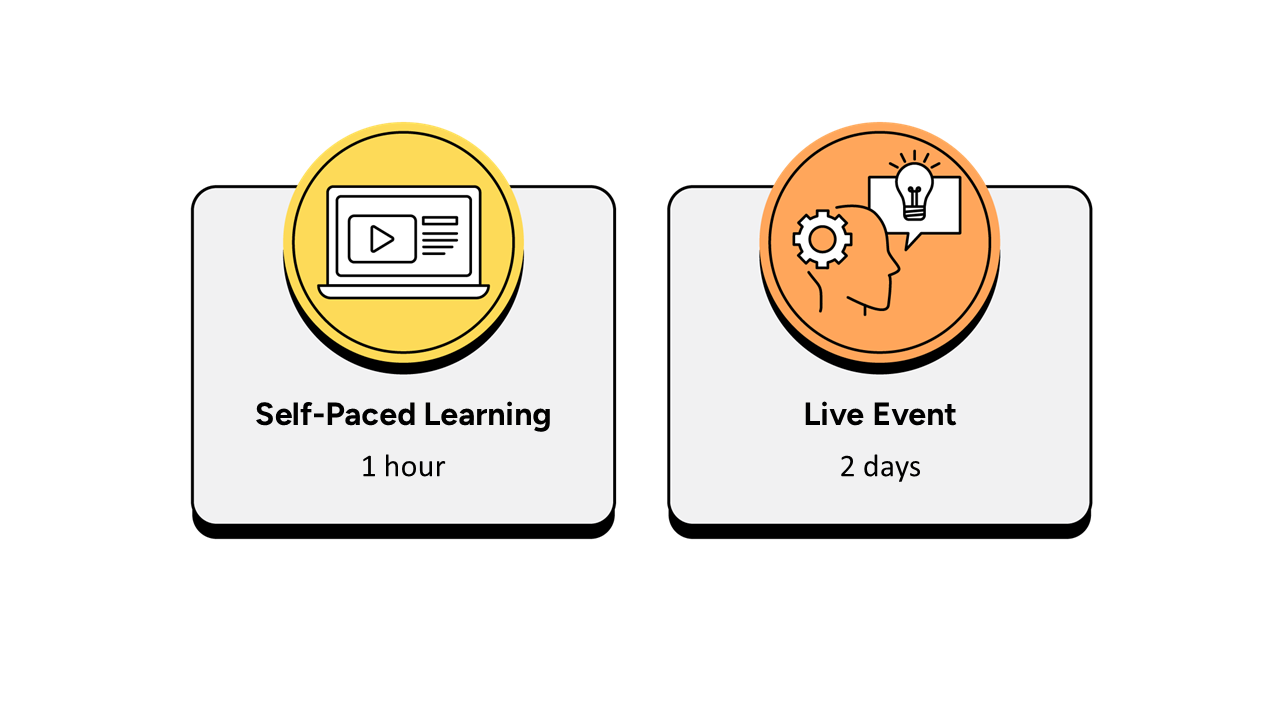
Self-paced learning
-
Up to 1 hour, completed over a 2-week period prior to the live event.
-
It is recommended that the self-paced learning is completed prior to joining the live event.
-
It is recommended that learners have a minimum of 2 weeks between the course booking and the instructor-led live event to complete the necessary hours of learning.
-
The self-paced learning is available 2 weeks prior to the live event and for 12 months following the live event.
Instructor-led live event
-
This course has a 2-day live event.